
Mastering Email Tone Through Practical Team Labs

Welcome to a friendly space where we roll up our sleeves and build confidence with Email Tone Practice Labs for Customer Service Teams. Through realistic scenarios, collaborative feedback, and measurable improvement, you’ll learn to write messages that calm tense moments, earn trust quickly, and drive delightful, efficient resolutions across every inbox.
Why Tone Shapes Every Customer Outcome
Words carry emotion, pace, and intention long before they carry instructions. In service conversations, tone determines whether a customer leans in or braces for disappointment. We explore practical psychology, common pitfalls, and repeatable patterns so teams consistently convey empathy, ownership, and clarity without sacrificing brevity or accuracy.
Inside an Effective Practice Lab
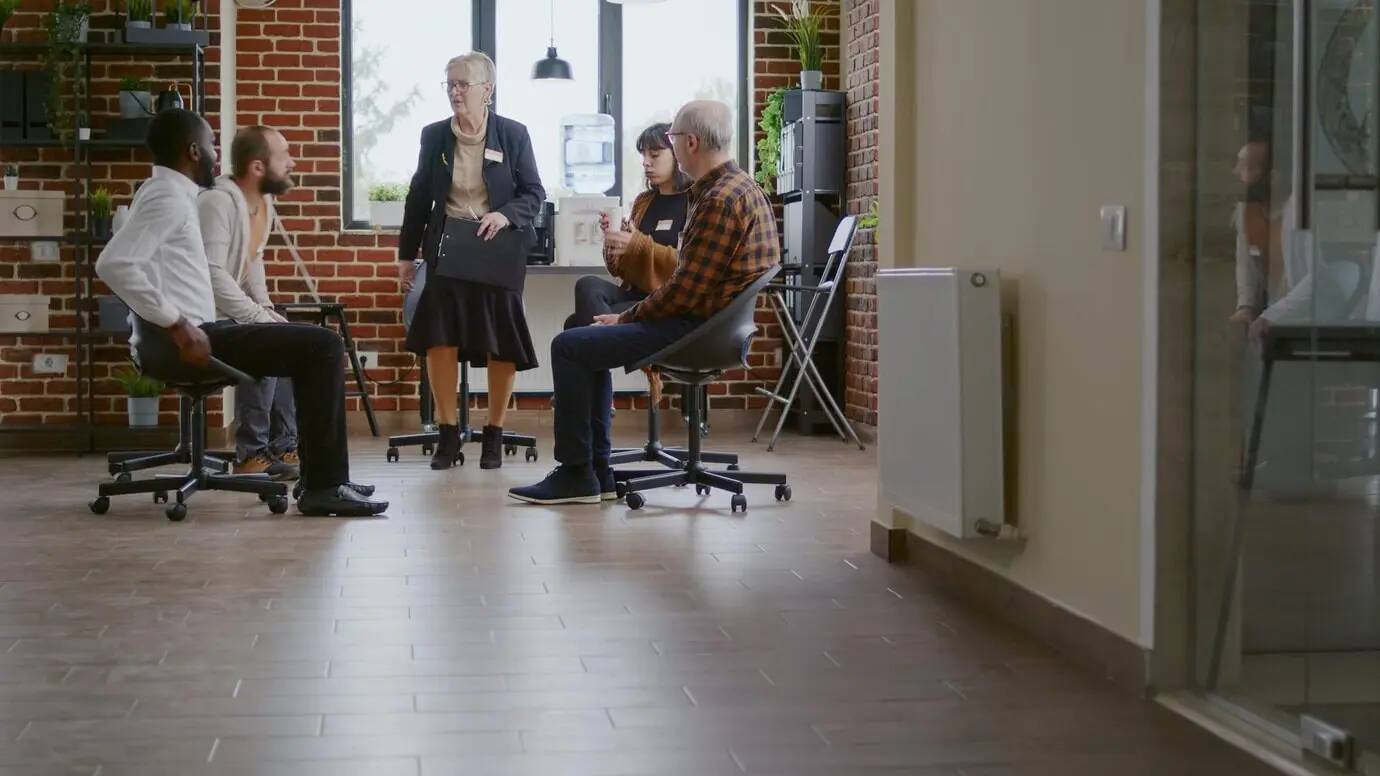
A high-impact lab mirrors the reality of your inbox: varied personas, constraints, service levels, and tools. Participants draft, revise, and compare responses using shared rubrics and time boxes. Feedback loops, rotating roles, and calibrated exemplars ensure consistency while leaving space for each agent’s authentic voice to shine thoughtfully.

Exercises That Build Muscle Memory

Rapid rewrite sprints for sharper, kinder phrasing
Agents rewrite the same reply three different ways: reassuring, decisive, and collaborative. A timer forces concise choices; a rubric anchors quality. Afterwards, a quick compare-and-contrast reveals which phrasing most reduces friction while preserving accuracy. Encourage agents to share favorite lines and sign-offs for a growing, living playbook.
De-escalation under pressure with strict constraints
Participants respond to an angry message using a three-sentence maximum, one apology, and one concrete next step. These constraints encourage clarity, remove hedging, and spotlight ownership. Repetition trains calm, confident language that both acknowledges frustration and narrows the path to resolution without sounding robotic or dismissively cheerful.
Clarity-with-kindness editing and tone tagging
Agents label each sentence’s intent—acknowledge, own, explain, direct—then remove filler and reorder for flow. Next, they add human warmth openers and considerate transitions. This systematic approach keeps messages efficient while preserving kindness. The lab highlights small wording swaps that create big shifts in how customers feel seen.
Measurement, Tools, and Guardrails
Great tone is measurable. Pair perception metrics like CSAT with linguistic markers such as hedging frequency, passive voice, and sentence length. Track revision counts, first-contact resolution, and response time. Use style guides, prompts, and checklists as guardrails that accelerate consistency without flattening authentic voices or introducing unhelpful jargon.

A practical tone rubric you can calibrate
Define observable behaviors across warmth, accountability, clarity, brevity, and solution strength. Add examples at each level and run calibration sessions where reviewers score the same replies, discuss differences, and lock criteria. This shared language speeds coaching, aligns expectations, and makes quality reviews far less subjective and inconsistent.
Instrumentation and lightweight experiments
Tag lab-produced replies in your help desk, then correlate with CSAT, reply depth, and reopen rates. Run A/B tests on greetings, sign-offs, or empathy lines. Start small, measure real outcomes, and publish learnings. Transparency builds trust and accelerates adoption because people see concrete, team-wide improvements emerging quickly.

Checklists, templates, and ethical AI assistance
Provide concise checklists that remind agents to acknowledge, own, clarify, and direct. Maintain adaptable templates with optional lines for sensitive situations. If using AI, keep human oversight, record prompts, and review outputs for inclusivity, accuracy, and privacy. Tools should amplify judgment, not replace it or obscure responsibility.
Coaching, Rituals, and Team Culture
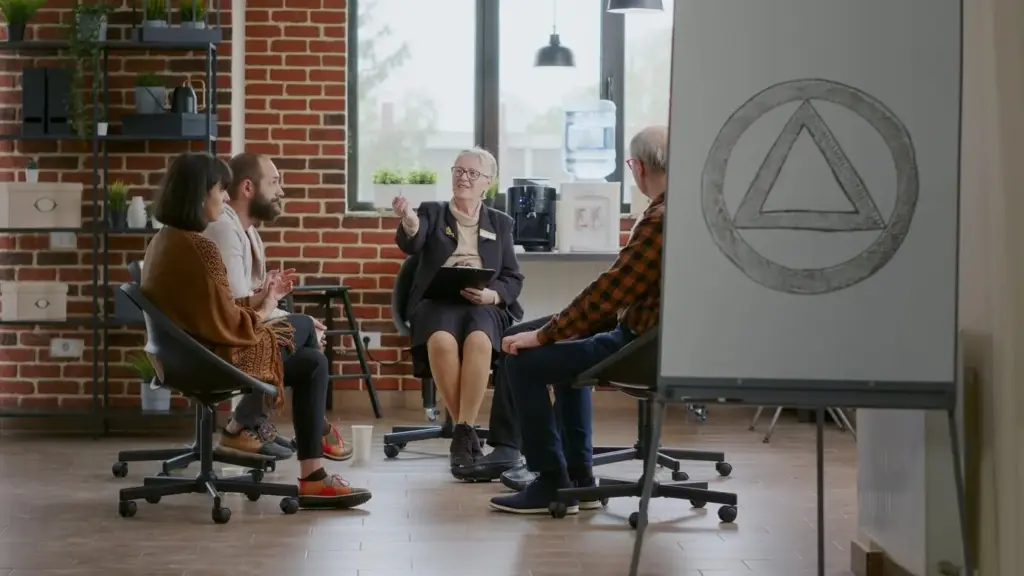
Sustainable excellence comes from shared rituals and supportive coaching. Regular labs, rotating leads, and simple recognition systems normalize feedback and celebrate progress. Leaders model curiosity over perfection, keeping psychological safety high so people feel brave enough to try new phrasing and learn from honest, respectful critiques together.
A weekly cadence that actually sticks
Hold short, focused sessions with one skill, one scenario, and one measurable outcome. Publish highlights afterward so absent teammates still benefit. Keep a living library of before-and-after examples. Routine matters more than intensity, helping tone improvements compound without derailing daily operations or creating meeting fatigue across busy schedules.
Coaches who multiply confidence and craft
Coach training covers rubric fluency, neutral language, and actionable rewrites. Coaches demonstrate drafts, think aloud, and invite alternatives. They model humility and curiosity, turning feedback into collaboration instead of judgement. Over time, more agents become peer coaches, spreading expertise and strengthening culture without heavy-handed oversight or bottlenecks.
Recognition that reinforces the right behaviors
Spotlight specific lines that transformed customer sentiment, not just high CSAT scores. Share stories in team chats, include annotated examples, and invite the writer to explain their choices. Small, frequent recognition teaches what great looks like and motivates others to experiment, iterate, and proudly share their own improvements.
Inclusivity, Accessibility, and a Global Voice
Tone must include everyone. That means plain language, respectful idioms, accessible formatting, and cultural sensitivity. We examine phrase choices across regions, consider reading levels, and account for assistive technologies. When messages are inclusive by design, customers feel welcome and supported, regardless of background, device, or language proficiency.